
Amazing Grace
(versão em português aqui)
The list criteria remain the same as usual: films seen for the first time in 2019 that had their first public screening in the past three years. The difference is that I scrapped the honorable mentions and did a write-up on everything. The order doesn’t mean very much, a movie at #37 is one I liked more than at #57, but I could’ve had it at over #34 or under #40 in a different day. Beyond all those, it is worth making to remark over Amazing Grace, Aretha Franklin gospel mass that Sydney Pollack shot in 1972 but was only edited now. I didn’t think it quite belonged in this list, but it is a spectacle far beyond just a concert show. A matter of faith.

Above the Rain
The best new short I saw this year was Ken Jacobs’ Above the Rain followed closer by Jonathan Schwartz’s A Leaf is the Sea is a Theater. Alguns outros destaques: ________ (Kyle Faulkner), The Fountains of Paris (Stephen Broomer), The Marshall’s Two Executions (Radu Jude), Music from the Edge of the Allegheny Plateau (Kevin Jerome Everson), Shakti (Martin Rejtman), Two Basilicas (Heinz Emigholz), Vever (for Barbara) (Deborah Stratman), X-Manas (Clarissa Ribeiro). Also, Toshio Matsumoto’s 1986 Summer which was recente discovered.
100) Second Time Around/Segunda Vez (Dora Garcia)
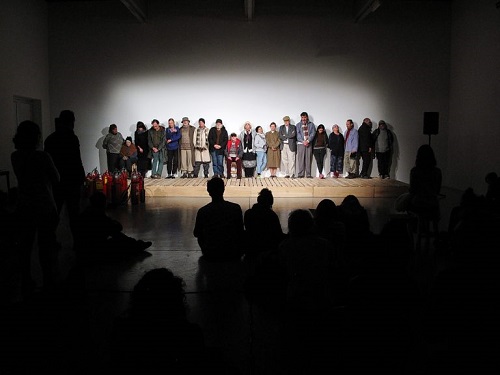
History (in this case Argentina’s, but it could’ve been Latin American or the third world as a whole) as a series of echoes. Garcia’s editing work is exceptional.
99) The Emperor of Paris/L’Empereur de Paris (Jean-François Richet)

By far the year’s best superhero movie. The best solved among Richet’s industry films and the studio recreation of Napoleon-era Paris is great.
98) In Like Flynn (Russell Mulcahy)

A little after becoming a star Errol Flynn wrote an autobiography of his times as an Australian seafarer with the clear intention of mix life and image and this adaptation from Mulcahy takes his clues from him in a film that seem to come from any cinema decade but this one. Mulcahy remains one of the mainstream cinema’s best stylists.
97) Casa (Leticia Simões)
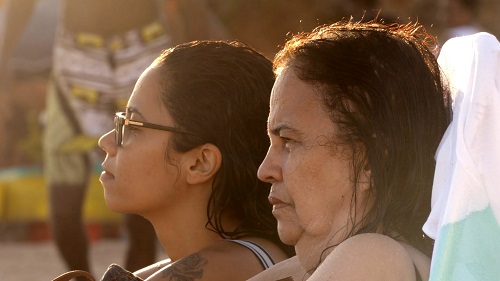
Intimate, but with a panoramic vision. Starting from her family portrait, Simões manages to trace a history of Brazil from the last decades of slavery until lulism. Her mother is one of the best film characters of current Brazilian film and there’s a strength in the conflicts between the three women that our current fictions rarely achieve.
96) Varda by Agnes/Varda par Agnés (Agnés Varda, Didier Rouget)
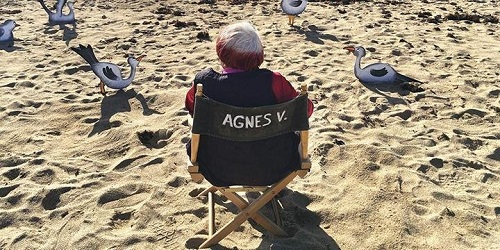
Varda leaves the stage. Like much of her late work, it is a film that starts on herself and reaches the world. One starts by thinking “but she already did The Beaches of Agnes” and by the final scenes think “but I’m glad she did this one as well”.
Continuar lendo →








 Anotacões de um Cinéfilo